Selecting a chiropractor can feel overwhelming, especially with many options available in most communities. A chiropractor plays an important role in maintaining spinal health, managing pain, and supporting overall wellness. Finding the right practitioner requires careful thought and attention to several key factors. From verifying credentials to assessing communication style, making an informed choice can significantly impact your experience and outcomes. This guide highlights practical tips to help you choose a chiropractor who meets your personal health needs and preferences. By understanding these considerations, you can feel confident in making a decision that supports both immediate relief and long-term wellness.
Check Credentials and Experience
The first step in choosing a chiropractor is to confirm their qualifications. Chiropractors should hold a valid degree from an accredited chiropractic school and maintain licensing in their practicing region. Additionally, understanding their experience level with specific conditions, such as back pain, neck pain, or sports injuries, can help match your needs with their expertise. A practitioner with a proven track record in treating cases similar to yours may provide more effective care and guidance throughout your treatment journey.
Consider Specializations and Treatment Methods
Chiropractors often focus on different techniques or patient groups. Some specialize in spinal adjustments, while others integrate soft tissue therapy, corrective exercises, or rehabilitation strategies. Determine which methods align with your personal goals and comfort level. Visiting a chiropractor who uses techniques you are comfortable with can improve adherence and treatment satisfaction. Asking about the chiropractor’s preferred approaches before booking an appointment can help prevent surprises and align expectations.
Evaluate Communication and Comfort Level

Effective communication between you and your chiropractor is essential. A practitioner should take the time to listen to your concerns, explain treatment plans clearly, and answer questions without rushing. Feeling comfortable discussing your symptoms and progress with the chiropractor can enhance the overall experience and encourage consistency in attending sessions. Pay attention to how the chiropractor interacts with you during the initial consultation, as this can indicate the level of support and attentiveness you can expect.
Read Reviews and Seek Recommendations
Feedback from other patients can provide valuable insight into a chiropractor’s practice. Online reviews, testimonials, or referrals from friends, family, or healthcare providers can help gauge satisfaction levels, effectiveness, and professionalism. While individual experiences vary, consistent positive feedback often reflects reliability and patient-centered care. Conversely, recurring negative comments may signal issues worth considering before committing to treatment. Doing this research beforehand can save time and help identify a chiropractor who aligns with your expectations.
Assess Accessibility and Convenience
Practical considerations such as location, office hours, and availability can influence the success of your chiropractic care. Selecting a clinic near your home or workplace can reduce barriers to regular visits. Additionally, checking whether the clinic offers flexible scheduling, convenient appointment booking, and prompt responses to inquiries can enhance the overall experience. Accessibility ensures that you can maintain a consistent treatment routine, which is often crucial for achieving desired results.
Choosing the right chiropractor involves multiple considerations, from verifying credentials and understanding specializations to evaluating communication, gathering feedback, and assessing accessibility. The top five tips—checking qualifications, considering treatment methods, evaluating comfort and communication, reading reviews, and ensuring convenient access—provide a practical framework for making an informed choice. By following these guidelines, individuals can select a chiropractor who meets their …
Read More





 Before stepping onto the golf course, you must warm up your body for a few minutes. Warming up helps loosen your muscles and prepares them for the motions ahead. By starting with some light cardio exercises such as jogging or brisk walking. This will get your heart rate up and increase blood flow throughout your body. It also helps in raising body temperature, making your muscles more pliable and less prone to injury. After a quick cardio session, focus on stretching out those key muscle groups used in golfing – shoulders, arms, hips, and legs. Perform gentle stretches such as arm circles, toe touches, trunk rotations, and lunges.
 Strengthening your core and improving flexibility are key elements to minimizing the risk of strain or injury when golfing. A strong core helps you maintain better balance and stability throughout your swing and reduces the strain on other parts of your body, such as your lower back. You can incorporate various exercises into your fitness routine to strengthen your core muscles. Planks, Russian twists, and crunches are all effective exercises that target the abdominal muscles. Additionally, incorporating yoga or Pilates into your weekly workout regimen can help improve overall flexibility. Flexibility is crucial for a fluid and efficient golf swing.

 Seeking chiropractic treatment is an improvement in posture. Many people today spend long hours sitting at desks or hunched over electronic devices, leading to poor posture and musculoskeletal issues. Chiropractors are trained to identify postural imbalances and correct them through various techniques. By realigning the spine and providing targeted adjustments, chiropractic care can help restore proper alignment and balance in the body. Improved posture enhances your appearance and plays a vital role in overall
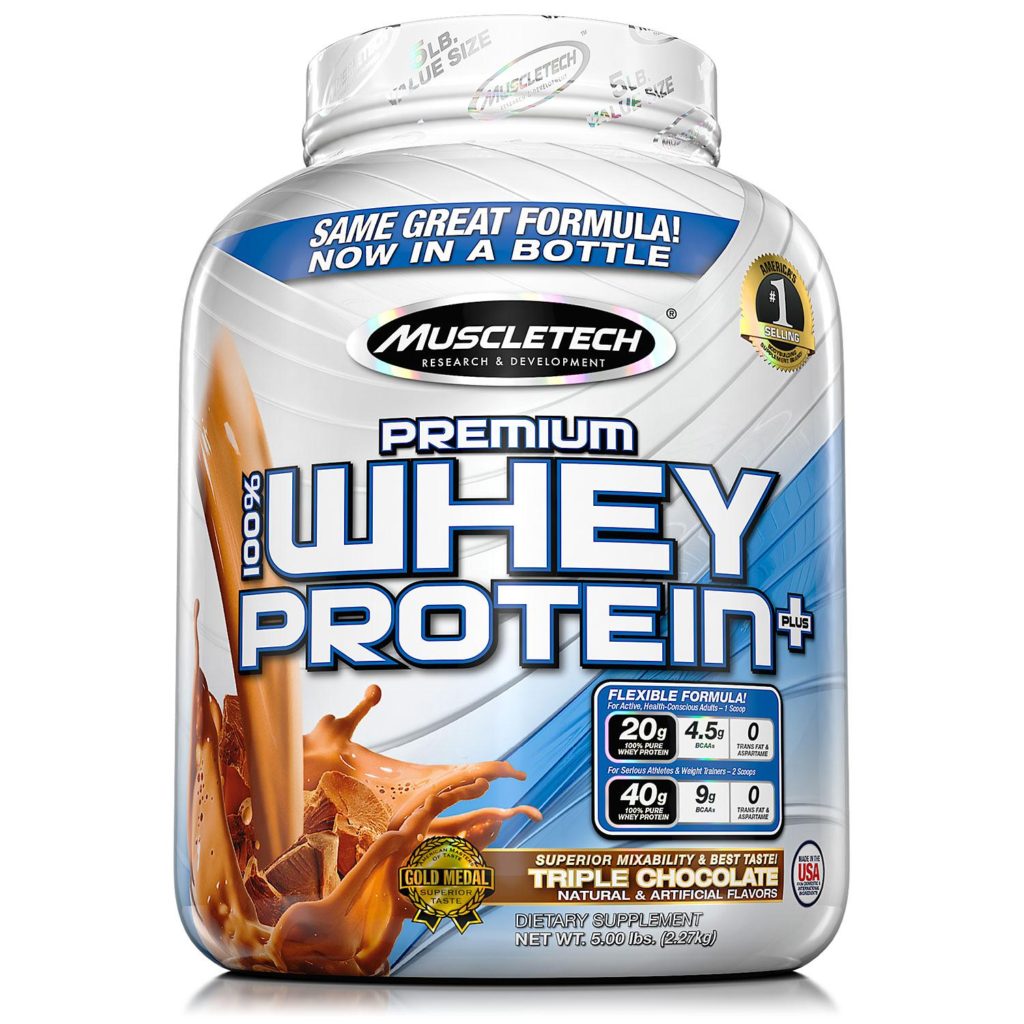
 When determining the right type of booster or supplement for your specific needs, there are several factors to consider. It’s important to understand that not all boosters and supplements are created equal. Each one serves a different purpose and targets various areas of health. By consulting a health expert before diving headfirst into boosters and supplements, you’ll gain valuable insights on choosing the right products based on scientific evidence rather than relying solely on marketing claims or anecdotal experiences from others. Remember: knowledge is power when making informed decisions about your health.




 Hormone replacement therapy is also beneficial for bone health. As we age, our bones naturally become weaker and more prone to fracture. Replenishing hormones like estrogen help strengthen the bones and reduce the risk of fractures and other injuries.
 In addition to reading reviews of dispensaries, you should also read reviews of specific products before making a purchase. These reviews can be found on the dispensary’s website or third-party websites specializing in reviewing cannabis products. Pay attention to the ratings and comments to get a sense of whether or not a product is worth purchasing. For instance, a product that has overwhelmingly positive reviews is likely to be of high quality.
 When you find a strain you’re interested in, don’t be afraid to order a small sample size before committing to a more significant purchase. It will allow you to try out the weed and ensure it meets your expectations. Most dispensaries offer sample sizes for sale, so take advantage of this available option.
 One of the essential benefits of medication-assisted treatment is that it can help improve patient survival rates. Studies have shown that this type of treatment can reduce the risk of death from overdoses by up to 50%. Patients receiving medication-assisted treatment also have a lower risk of relapsing into drug use. This is because these medications help to reduce cravings and withdrawal symptoms. That’s why medication-assisted treatment can be such an essential part of recovery.
 One of the most well-known benefits of MAT is that it helps to decrease illicit opiate use. This, in turn, can help to decrease criminal activity related to drug use, as well as the spread of diseases like HIV/AIDS. MAT has also been shown to improve social functioning and employment rates among those with substance abuse disorders. One study found that those who participated in MAT were more likely to be employed and have less criminal activity than those who did not participate in MAT. MAT is also effective in treating co-occurring mental health disorders. This is important because many substance abuse patients also suffer from mental health disorders.
 It is known that many people use cbd oil for pain relief. It is effective in reducing both chronic and acute pain. CBD oil works by interacting with the body’s endocannabinoid system, which helps to regulate pain. People who have been using CBD oil for pain relief report feeling less pain; some even say they no longer need to take pain medication. In fact, a recent study showed that CBD oil is as effective as opioids for pain relief. If you are experiencing pain due to an injury or chronic condition, CBD oil may be able to help.
 CBD oil is also known for its anti-inflammatory properties. It has been shown to be effective in reducing inflammation throughout the body. This can benefit those suffering from conditions like arthritis or Crohn’s disease. If you suffer from inflammation, CBD oil may be able to help reduce your symptoms. Inflammation occurs when the body’s immune system reacts to an irritant. CBD oil reduces the inflammatory response, which can help reduce symptoms.
 Last but not least, our bodies need vitamin D to absorb calcium, and the sunlight is one of the best ways to get vitamin D. Just a few minutes of exposure to the sun each day can help improve your bone health. If you don’t get enough sun, you may want to consider taking a supplement. If you don’t have sunlight exposure due to Covid-19, you can also buy food rich in Vitamin D, such as mushrooms.
 Some specific foods and beverages can trigger acid reflux. These triggers can vary from person to person. To find out your triggers, keep a food diary for at least one week. In the diary, you will want to track when you experience symptoms of acid reflux and what you have eaten and drunk in the 24 hours leading up to the symptoms. Common triggers include fried foods, fatty foods, citrus fruits, caffeine, alcohol, and mint. It may be so attempting, but try not to eat spicy foods as well. Once you have identified your triggers, do your best to avoid them.
 Along with apple cider vinegar, high-fiber foods are also very effective in treating acid reflux. Foods rich in fiber include fruits, vegetables, whole grains, and beans. Fiber helps absorb the stomach acids that cause the symptoms of acid reflux. You can aim to eat 25-30 grams of fiber every day. A study showed that people who ate a high-fiber diet were less likely to experience acid reflux symptoms than those who did not. Fiber-rich foods are not only good for treating acid reflux, but they are also good for your overall health. It’s a win-win solution, right?
 Being overweight or obese is one of the main risk factors for acid reflux. It is because excess weight can put pressure on the stomach, leading to the contents being pushed back up into the Esophagus. Losing weight can be a challenge, but it’s worth it if it means getting rid of your acid reflux symptoms. Moreover, even a tiny amount of weight loss can effectively reduce the symptoms of acid reflux. If you are struggling to lose weight, speak to your doctor about ways that they can help you.